RDX Perspective
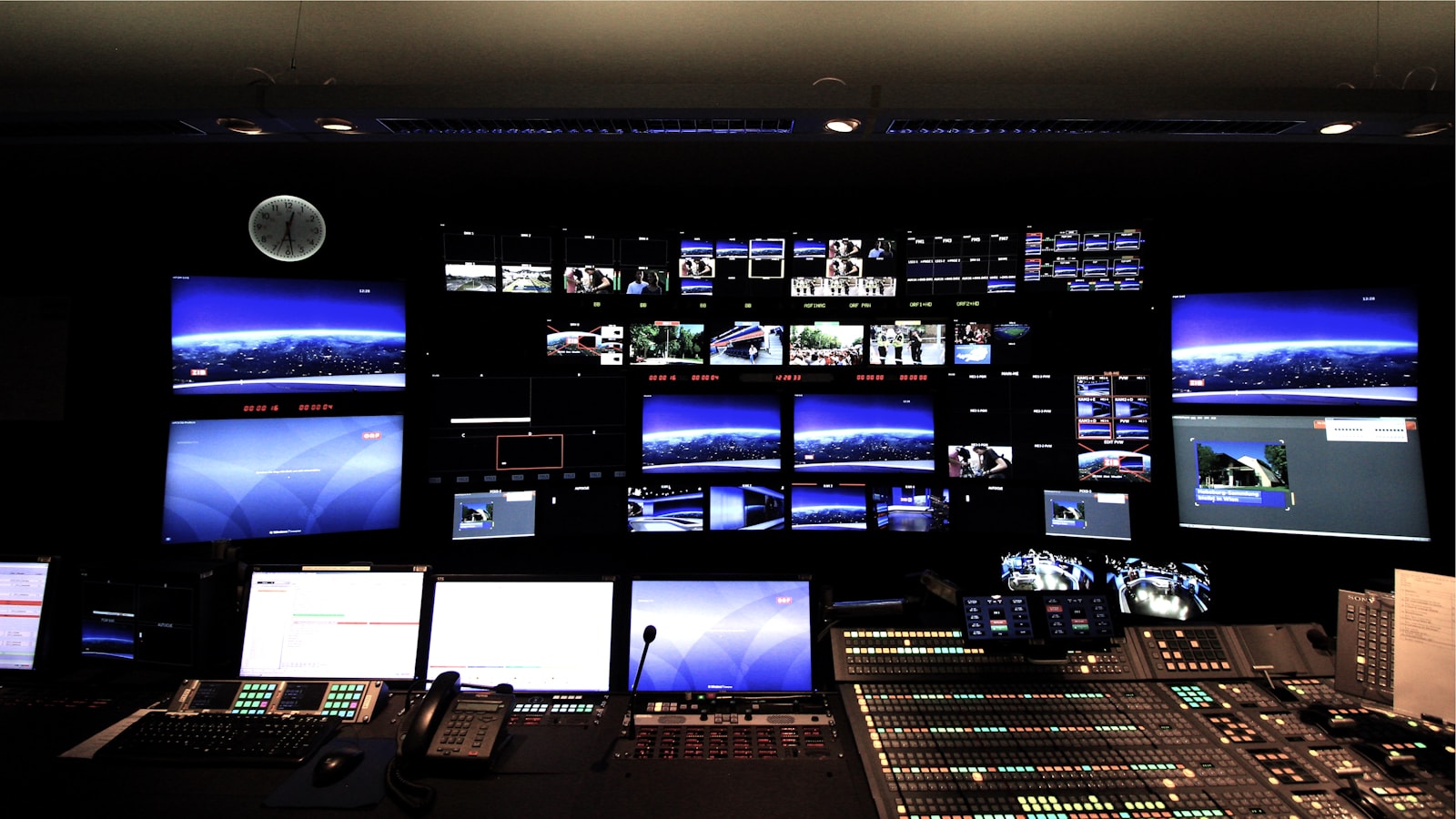
For thirty years we have measured security operations by speed. Time to detect. Time to triage. Time to contain. Autonomous software is about to make speed cheap and abundant. When every organization can act in milliseconds, the advantage stops being who moves fastest. It becomes who can prove that what moved was authorized.
The security operations center was built for a world of alerts. Something fires, a person looks at it, a person decides, a person acts. Nearly every improvement we have made in twenty years has been a variation on that loop. Better detection. Better enrichment. Better dashboards. Better playbooks. The loop itself never changed.
Autonomous software changes the loop. Not because agents are smarter than analysts, but because they do not queue. An agent does not wait for the morning shift, and it does not work one case at a time. It reads, decides, and acts continuously, in parallel, across every system it can reach. Put enough of them inside an enterprise and you no longer have an alert queue. You have operations running at machine speed whether or not anyone is watching.
That is the shift the industry has not priced in yet. We are moving from alert response to mission execution. And mission execution has never been a tooling problem. It is a command problem.
The mistake is treating AI as the weapon
Most of the conversation right now is about models. Whose is smarter, whose is faster, whose agent can chain more steps without falling over. That framing puts the AI at the center, as if capability alone decides the outcome.
It does not. The AI is closer to the pilot than the weapon. Capable, fast, trained, and completely dependent on the platform around it.
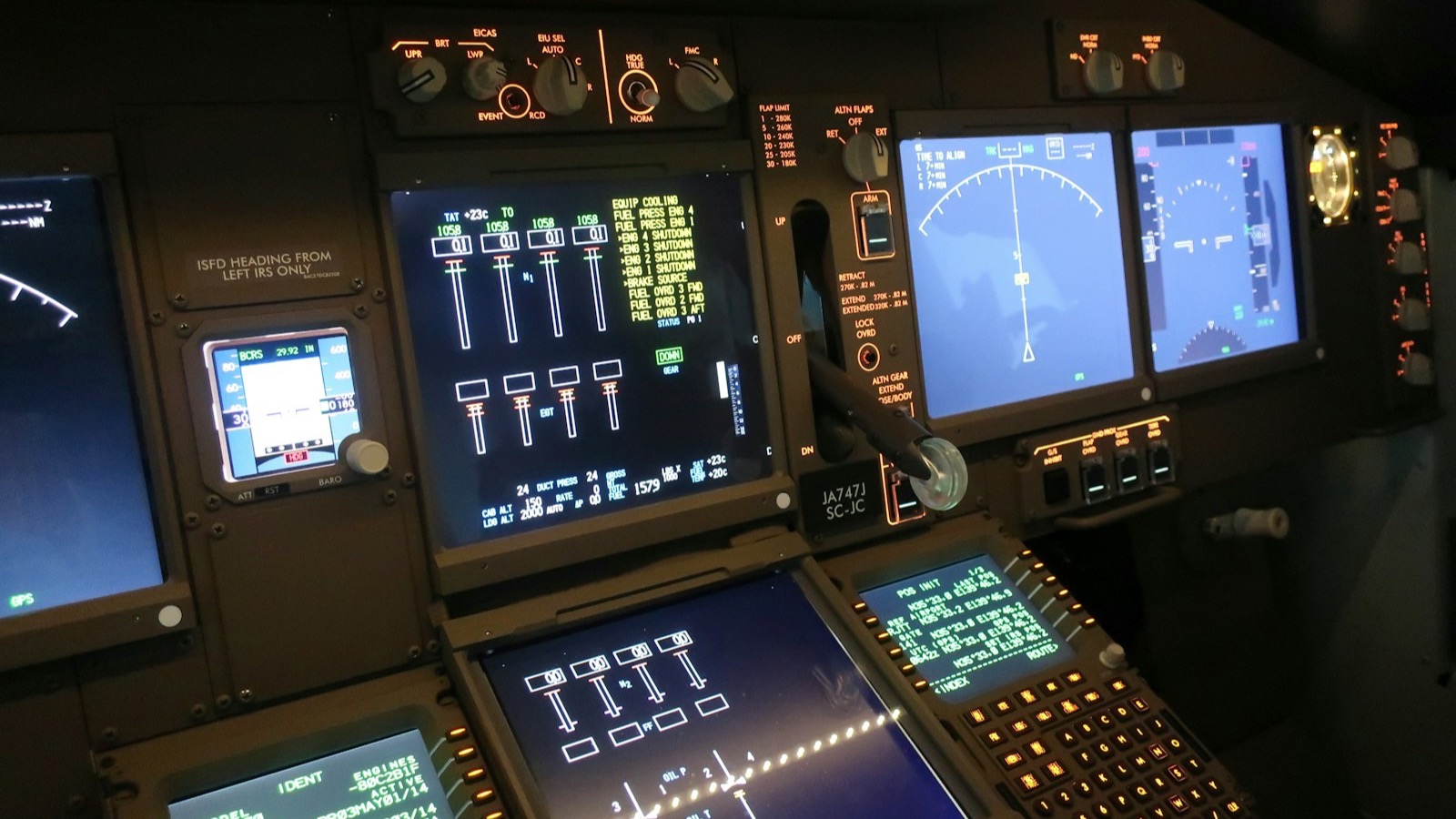
Think about the F-35. Its value is not the airframe. It is the integration of sensors, data fusion, secure communications, mission planning, electronic warfare, weapons management, and command and control into a single operational system. Take that integration away and you are left with an expensive aircraft, a talented pilot, and no idea what is happening in the airspace.
Autonomous cyber operations work the same way. An organization does not become dangerous, or safe, because it licensed the best model. It becomes dangerous or safe based on the system that model operates inside.
The Agentic Operations Framework
Every advanced weapon system exists to do one thing: make better decisions faster than the opponent while remaining under command authority. Both halves of that sentence carry equal weight. A system that decides quickly but escapes command is not an advantage. It is a liability with good reflexes.
This is the structure we believe autonomous cyber operations have to take. Nine layers, in order, each one earning the right to reach the next.
RDX Diagram 01
The Agentic Operations Framework
Nine layers from observation to learning. Execution sits at layer six, after validation, policy, and human authority, and the cycle feeds back into the next mission.
Layers one to three: seeing before acting
The Sensor Grid is where every weapon system begins. Satellites, signals intelligence, and radar in the physical world. Cyber telemetry, threat intelligence, endpoint data, cloud logs, identity systems, network traffic, and business applications in ours. This layer does not decide anything. It observes. Its only job is situational awareness, and without it the rest of the platform is blind.
Mission Intelligence is what makes that observation useful. Raw data answers nothing on its own. Someone has to say what this means, whether it is normal, whether it is hostile, and whether it matters. This layer correlates thousands of individual signals into a single operational picture, the way an AWACS aircraft builds one air picture out of hundreds of separate radar returns. The output is not a longer list of alerts. It is a mission picture.
Target Validation is the discipline most automation skips. Weapons do not fire because something moved. They fire because something was identified. Positive identification, mission priority, collateral risk, rules of engagement, confidence, intent. Every recommendation an AI produces should have to pass through this gate. This is where false positives die, before they become actions.
Layers four and five: authority
Rules of Engagement is where most AI deployments fail, and they fail quietly. Just because a system can take an action does not mean it should. This layer answers whether the action is permitted at all, who approved it, whether the mission is authorized, whether policy allows it, whether legal authority exists, and whether a human has actually signed off. Military commanders do not let a missile decide to launch itself. Enterprise AI should not get a lighter standard than that.
Command Authority is mission control. Every autonomous action has to be able to answer five questions: who owns this mission, who accepts the risk, who can override the system, who can abort the operation, and who receives the evidence afterward. Organizations that skip this layer do not get automation. They get autonomous chaos, and they usually do not find out until something irreversible has already happened.
RDX Diagram 02
One action, one path
A denied action is not a dead end. It is recorded with the same rigor as an approved one, which is what makes the record worth trusting.
Layer six: execution
Autonomous Operations is where the work finally happens. Only now. After sensing, after intelligence, after validation, after policy, after approval. Not before. Sequenced this way, automation becomes force multiplication rather than force replacement, and the actions it takes are ones the organization can defend later. Actions that cannot be reversed stay behind a person, permanently. That is not a limitation of the design. That is the design.
Layers seven to nine: proof and learning
Battle Damage Assessment reflects something military operations understand and cyber operations mostly do not. The mission does not end at the strike. The next questions come immediately. Did it work. What changed. Did we affect the right target. What second order effects did we cause. Should we continue. Automated action without measured effect is motion, not progress.
The Evidence Chain is the layer we consider non negotiable. Every decision, every approval, every recommendation, every call to another system, every policy evaluation, every human interaction, and every outcome becomes evidence. Think of a black box flight recorder, built for autonomous operations, where any mission can be replayed frame by frame. Not because something went wrong. Because trust requires proof, and proof cannot be assembled after the fact from memory and screenshots.
Strategic Learning closes the loop. After every mission the framework asks what succeeded, what failed, what slowed us down, which playbook held up, which policies contradicted each other, where a human had to step in, and what should change before the next one. Military organizations call this an after action review. Done consistently, it turns every autonomous mission into a compounding advantage instead of a one time event.
What this means for the people who are accountable
If you run a security program, the practical question is no longer how many agents you can deploy. It is whether you can answer, on demand and without a fire drill, what your autonomous systems did last week, who authorized each action, and what changed as a result.
If you lead a federal program, the standard is even less forgiving. Authorization boundaries, records requirements, and oversight do not relax because the actor was software. An autonomous action that cannot be attributed to an authority is a finding, no matter how good the outcome was.
And if you sit on a board or in an executive seat, the exposure is simpler than the technology sounds. Accountability does not transfer to a model. When an autonomous system takes an action, a person still owns it. The only question is whether your architecture made that ownership explicit in advance or left it to be reconstructed under pressure.

Automation executes policy. Humans retain accountability.
The last SOC
The last SOC is not the one that gets replaced by AI. It is the last one organized around alerts. What follows is a command function: missions with objectives, actions with authority, effects that get measured, and decisions that leave a record strong enough to hand to an auditor, an insurer, or an inspector general.
That is the future RDX Enterprise is building toward. Not smarter agents. A command system disciplined enough to be trusted with them. In the years ahead, organizations will not compete on how many autonomous agents they have. They will compete on how well they can command, coordinate, govern, and prove what those agents do at machine speed.
Human led. Agent assisted. Evidence proven. Control the action. Prove the outcome.
William Farrell
Founder and CEO, RDX Enterprise, LLC
Secure. Automate. Optimize.
If your organization is adopting autonomous agents faster than it is building the authority around them, that gap is worth closing early. RDX Enterprise builds governed autonomous operations, with a human in the loop and evidence behind every decision.